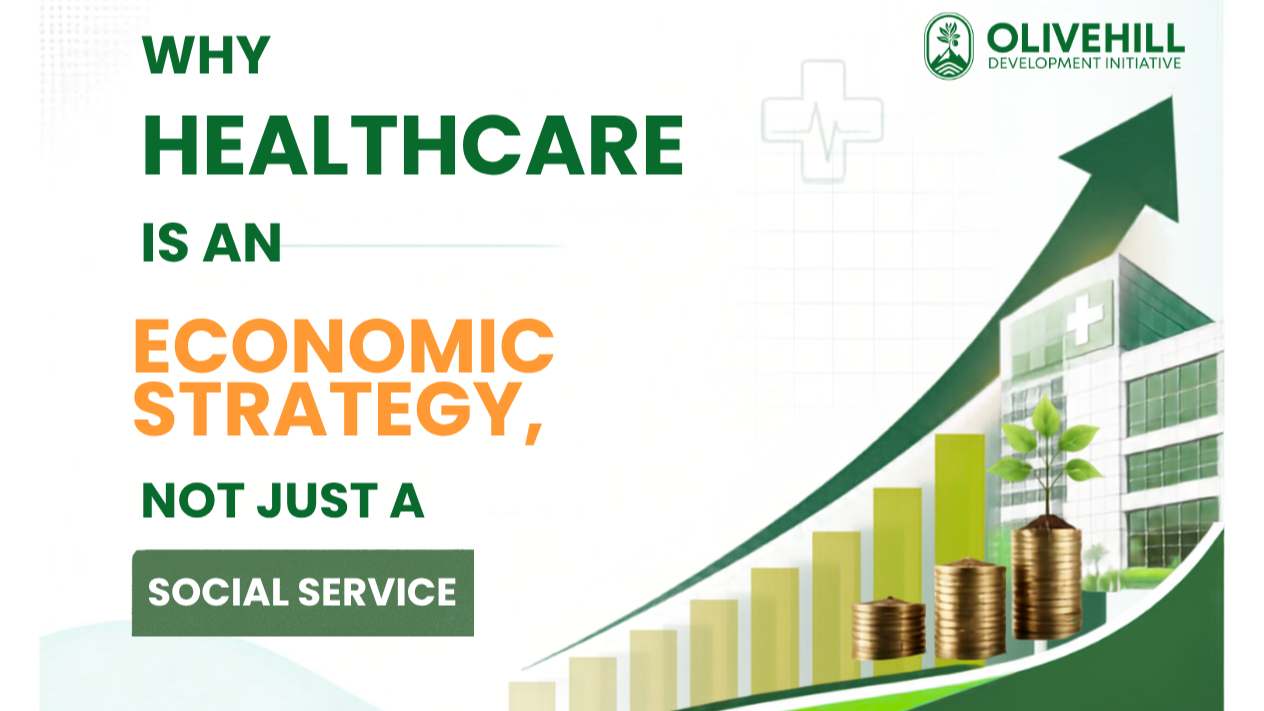
Healthcare is a basic human right. The reality, for millions of people, tells a different story. When Nigerians talk about healthcare, the conversation almost always lands in the same place: hospitals that are understaffed, medications that are unaffordable, and a system that too many people have quietly given up on. What rarely enters that conversation is what poor health is actually costing the country, not just in human suffering, but in economic output, lost productivity, and unrealised potential.
Healthy Populations Drive Economic Growth
Economic growth depends on people. According to Nigeria’s Minister of Health, the country loses more than US$1.1 billion in Gross Domestic Product (GDP) every year to malaria alone. At the household level, treating a single malaria case can consume approximately three percent of an individual’s average monthly income; money taken directly from food, school fees, rent, or a business that needed it. Employers absorb the cost through absenteeism and reduced output. At scale, a population managing preventable illness is an economy quietly paying a bill it never budgeted for.
When people are healthy, they learn more effectively, work more consistently, and contribute more meaningfully to their families, communities, and the wider economy. When a worker cannot afford treatment, they likely do not recover and return. They push through, underperform, or disappear from the workforce entirely. When a child’s health is neglected, their education suffers before their potential ever gets a chance. A child who receives basic medical attention is more likely to stay in school, retain what they learn, and enter the workforce prepared to contribute. Poor health does not stay personal for long. What begins as one person’s illness quickly becomes a family’s financial strain, an employer’s productivity gap, and eventually, a national economic burden. Nigeria’s Healthcare system is not a line item to be managed. It is a strategic investment in the most important resource any nation has – its people.
Prevention Builds Stronger Economies
Research published in PubMed (https://pmc.ncbi.nlm.nih.gov/articles/PMC12005225/) identifies three mechanisms through which health investment yields economic benefits: reducing direct healthcare costs within health systems, improving individual productivity and reducing absenteeism, and stimulating supply and demand across broader sectors of the economy.
The most cost-effective healthcare is the kind that stops illness before it begins. Routine screenings, immunizations, maternal and child healthcare, nutrition programmes, and mental health services are necessary interventions that keep people in work, children in school, and healthcare systems from being overwhelmed by conditions that were preventable.
When prevention is treated as a priority rather than an afterthought, the returns are tangible. Fewer hospital admissions, lower long-term costs, and a workforce that stays productive. The economics of prevention are clear, it is significantly cheaper to keep people healthy than to treat them once they are not.
Advancing Health Through Community Action And Policy
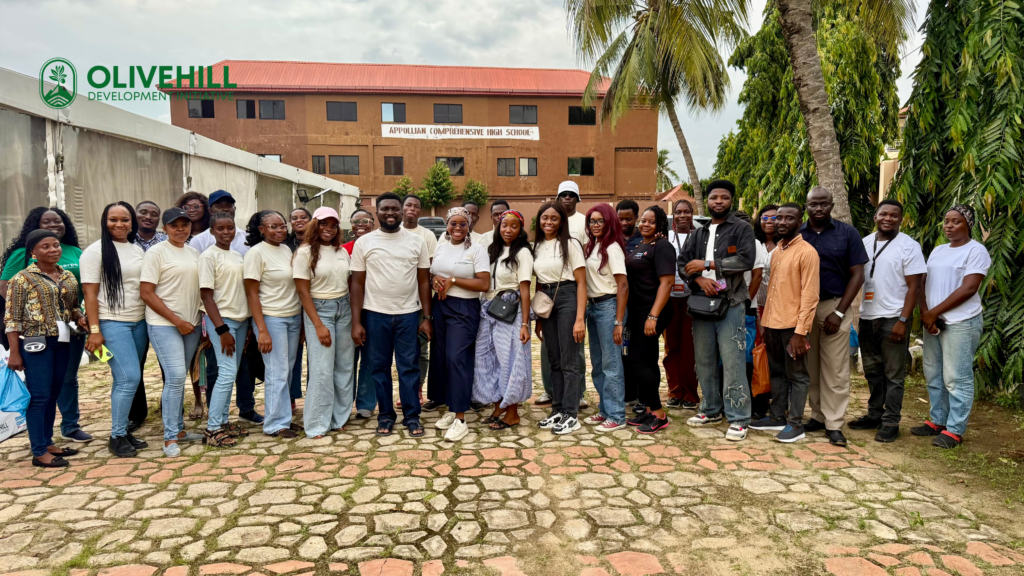
At Olivehill Development Initiative, our work sits right in the middle of community action. Through our community medical outreaches, we have brought essential preventive healthcare services directly to people who would otherwise go without. Through Project 35, we are supporting Nigerians living with chronic kidney disease to access dialysis treatment that is, for most, financially out of reach.
Despite this, one thing is evident. Improving health outcomes at scale requires more than organisations willing to work at the community level. It requires inclusive policies, where the gaps are most visible and the need is most immediate.
Young people are among the greatest drivers of future economic growth. Nigeria’s population is young, and that is either an asset or a liability depending on how seriously the country invests in the health of its people. Healthcare cannot be treated as a luxury. The country is already paying the price of not investing in it.